The Politics of Possibility: Advancing Educational Equity for the Social Good
The Edmund W. Gordon Institute and the Black Education Research Center at Teachers College, Columbia University invite you to explore The Politics of Possibility: Advancing Educational Equity for the Social Good, a landmark 4-part discussion series to process the current landscape, build collective strategies and equip communities with tools for educational justice. Each 60-minute episode convenes education equity leaders in policy, research, and practice in conversation with co-hosts Ezekiel Dixon-Román, Ph.D. (The Gordon Institute) and Sonya Douglass, Ed.D. (BERC) around a key topic, tool or talking point in educational equity. Join the coalition by subscribing, listening and sharing. We are laying out the blueprints to build a new house. This season is proudly supported by the Nellie Mae Education Foundation and AERA: Division L - Educational Politics & Policy.
Episodes
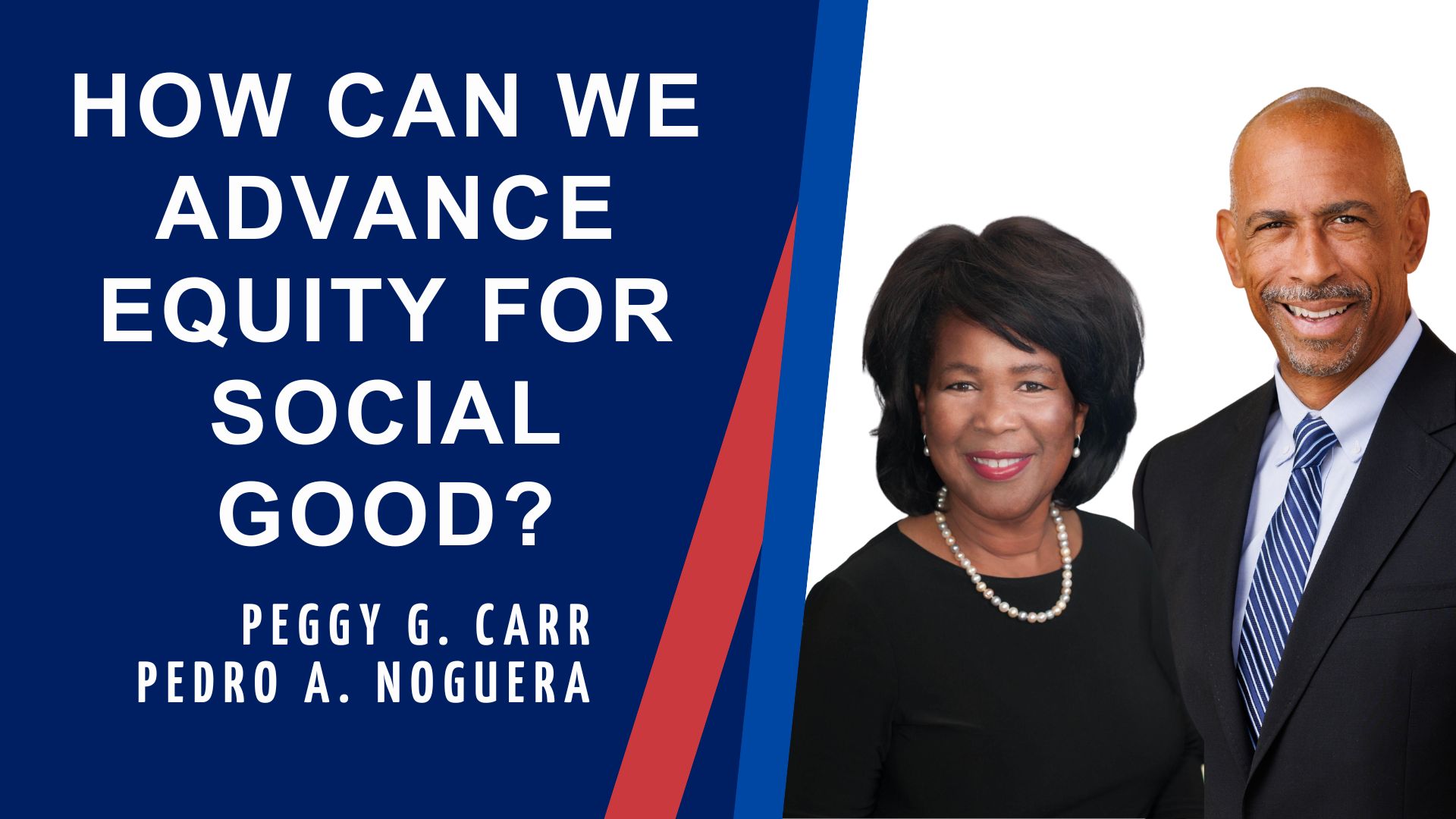
Episode 1
Advancing Educational Equity for the Social Good
OUR SPEAKERS
Expanded bios here
Peggy G. Carr
2021-2025 Commissioner, U.S. National Center for Education Statistics
Pedro A. Noguera
Dean, Rossier School of Education, University of Southern California

Episode 2
Implications for Schools and Districts in the Post-Civil Rights Era
OUR SPEAKERS
Expanded bios here
Carrie Sampson
Associate Professor,
Arizona State University
Wilmer Chavarria
Superintendent,
Winooski School District
Jonathan E. Collins
Assistant Professor,
Teachers College, Columbia University
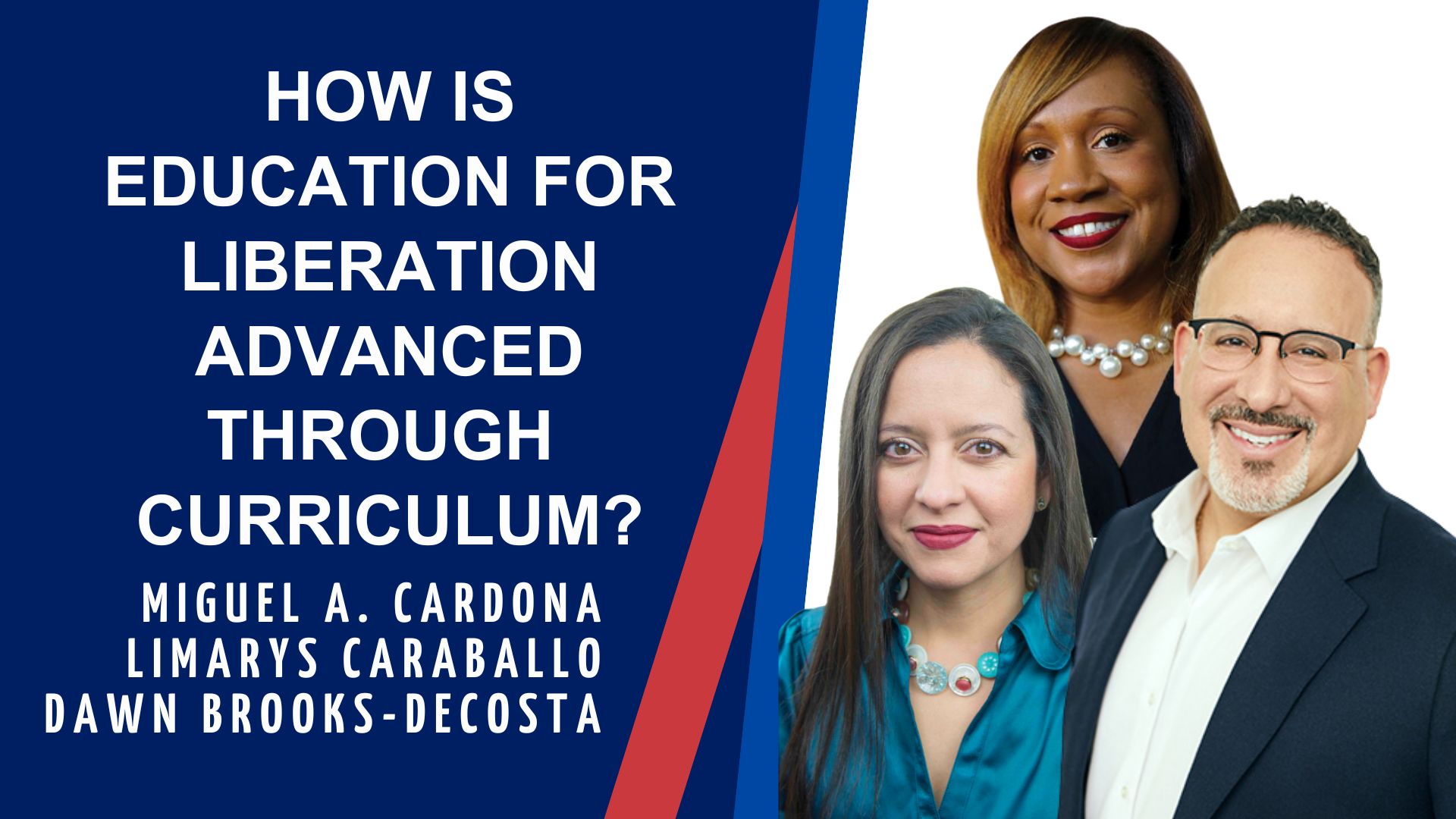
Episode 3
Advancing Education for Liberation through Ethnic Studies and Culturally Responsive Curriculum
OUR SPEAKERS
Expanded bios here
Dawn Brooks-DeCosta
Deputy Superintendent,
Harlem Community School District 5, New York
Limarys Caraballo
Associate Professor, Teachers College, Columbia University
Miguel A. Cardona
12th United States Secretary of Education
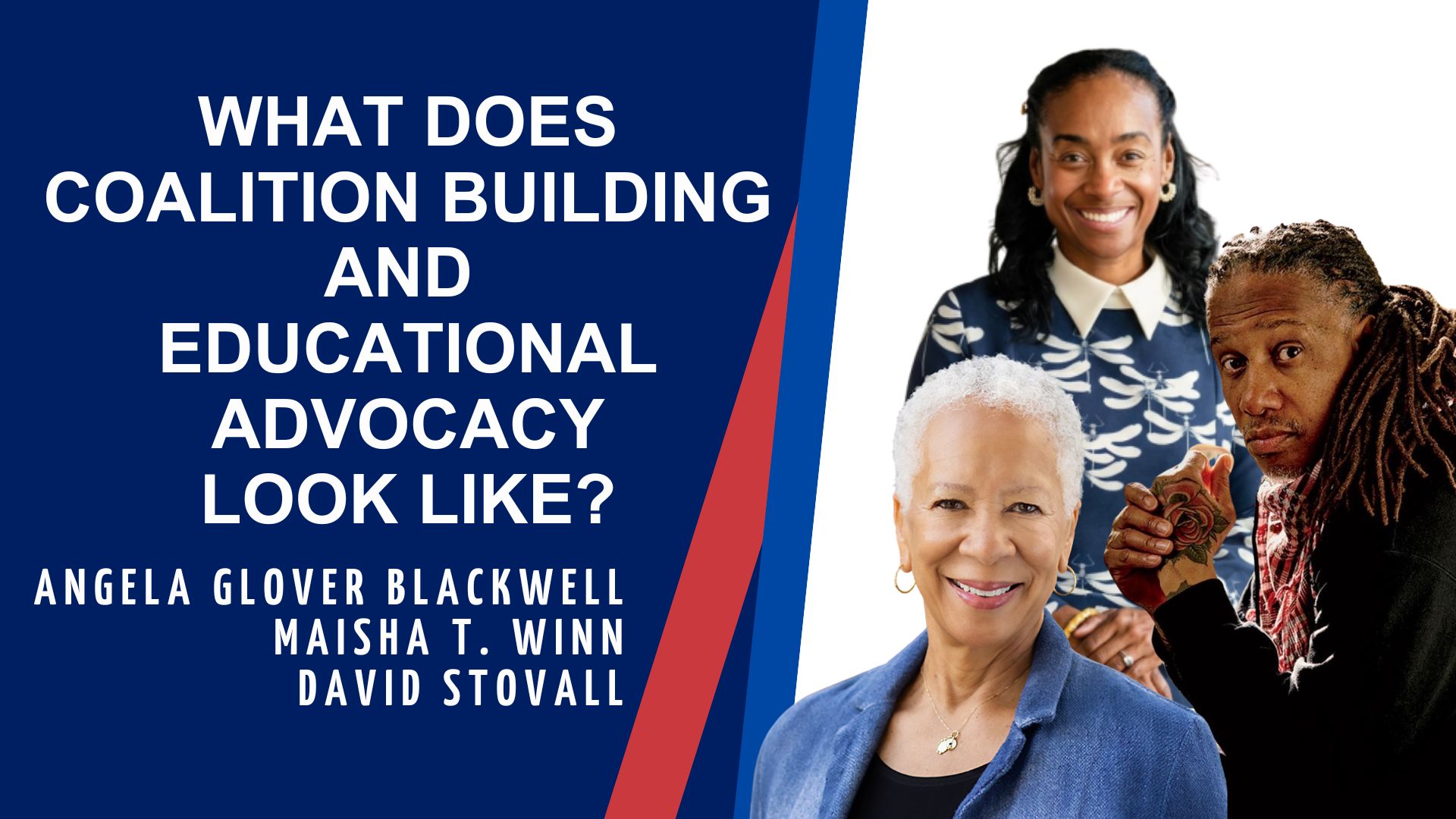
Episode 4
Coalition Building and Educational Advocacy for the Social Good
OUR SPEAKERS
Expanded bios here
Angela Glover Blackwell
Founder in Residence,
PolicyLink
Maisha T. Winn
Excellence in Learning Professor
Faculty Director, Stanford Accelerator for Learning's Equity in Learning Initiative
Graduate School of Education, Stanford University
David Stovall
Professor,
Black Studies and Criminology, Law & Justice, U Illinois - Chicago
Moderators
Ezekiel Dixon-Román is Professor of Critical Race, Media, & Educational Studies and Director of the Edmund W. Gordon Institute for Advanced Study, and Co-Founder and Director of the Institute in Critical Quantitative, Computational, & Mixed Methodologies and the Critical Computation Bureau.
His research investigates how sociotechnical systems of quantification interact with the body to form racialized demarcations that regulate bodily capacities to regenerate or debilitate and in 2018, his book, Inheriting Possibility: Social Reproduction & Quantification in Education (2017, University of Minnesota Press) received the 2018 Outstanding Book Award from the American Educational Research Association. Dixon-Román is currently working on two book projects: (1) a co-edited collection, Recursive Colonialisms: Technology, Culture, Politics and (2) an authored book project, Haunting Algorithms: Algorithmic Governance and Logics of Colonialism.
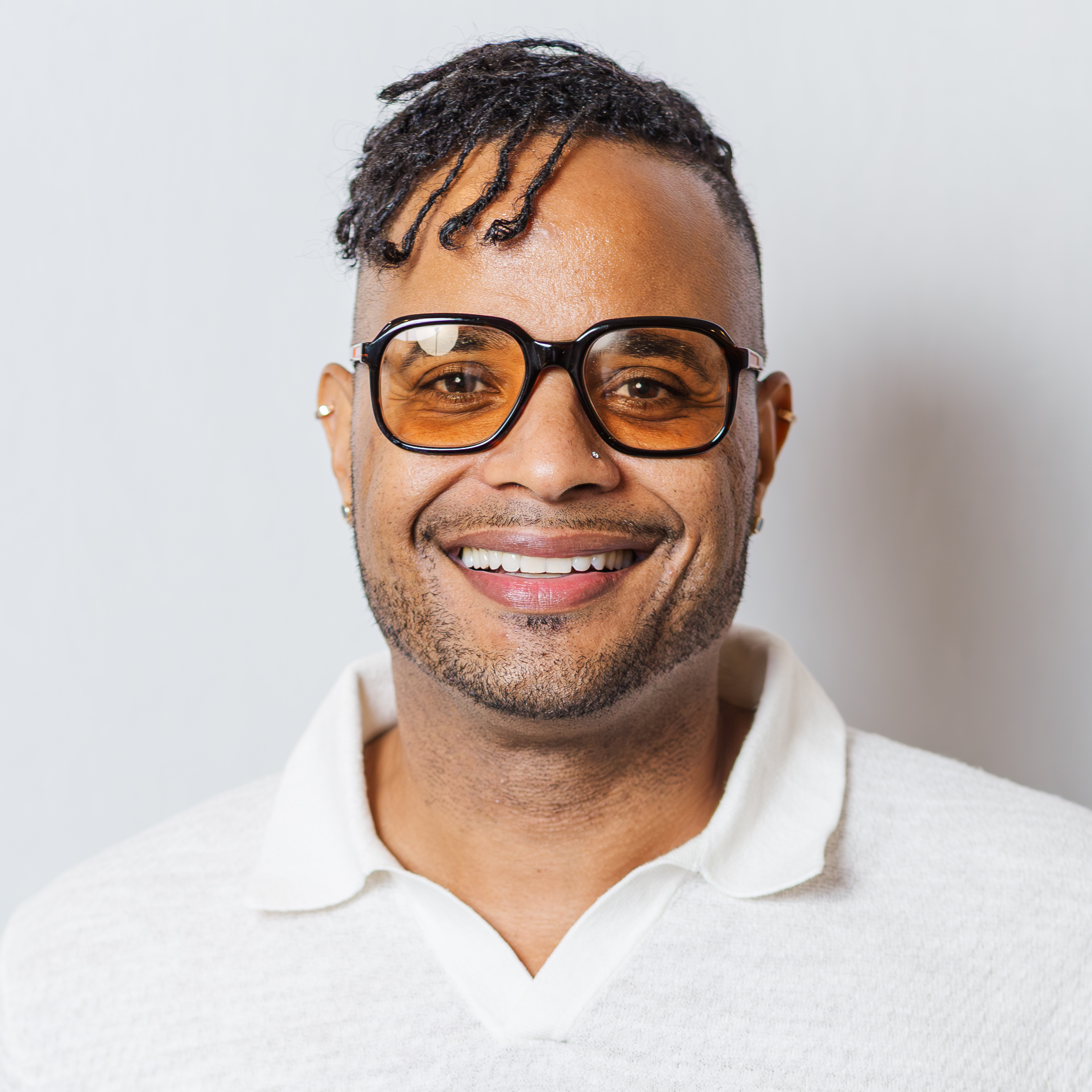
Ezekiel Dixon-Román is Professor of Critical Race, Media, & Educational Studies and Director of the Edmund W. Gordon Institute for Advanced Study, and Co-Founder and Director of the Institute in Critical Quantitative, Computational, & Mixed Methodologies and the Critical Computation Bureau.
His research investigates how sociotechnical systems of quantification interact with the body to form racialized demarcations that regulate bodily capacities to regenerate or debilitate and in 2018, his book, Inheriting Possibility: Social Reproduction & Quantification in Education (2017, University of Minnesota Press) received the 2018 Outstanding Book Award from the American Educational Research Association. Dixon-Román is currently working on two book projects: (1) a co-edited collection, Recursive Colonialisms: Technology, Culture, Politics and (2) an authored book project, Haunting Algorithms: Algorithmic Governance and Logics of Colonialism.
Dr. Sonya Douglass is Professor and Chair of the Department of Organization and Leadership at Teachers College, Columbia University, where she also serves as Founding Director of the Black Education Research Center (BERC). An internationally recognized scholar of educational leadership, policy, and politics, her research examines how race, power, and knowledge shape leadership, educational policy, and efforts to advance justice in K–12 schools.
Her scholarship focuses on education policy and politics, school segregation and desegregation, critical race theory in education, Black and African American education and leadership, and emancipatory leadership. Dr. Douglass is the creator of the SCALE Framework for Emancipatory Leadership, an approach that equips leaders to advance justice through self-knowledge, culture, agency, liberation, and ethics.
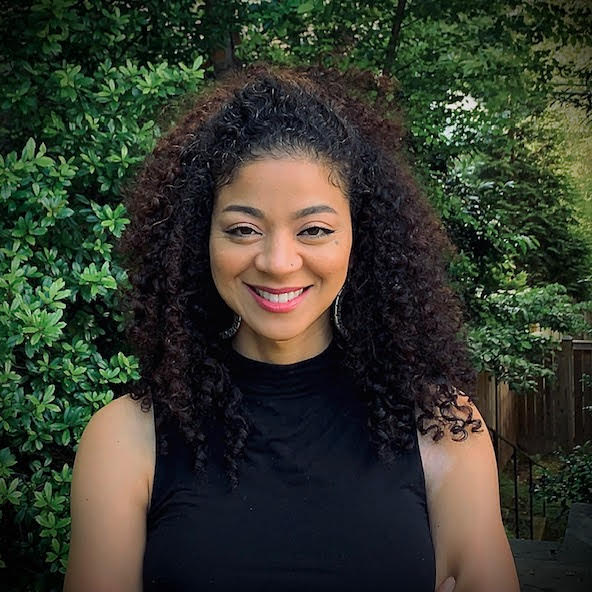
Dr. Sonya Douglass is Professor and Chair of the Department of Organization and Leadership at Teachers College, Columbia University, where she also serves as Founding Director of the Black Education Research Center (BERC). An internationally recognized scholar of educational leadership, policy, and politics, her research examines how race, power, and knowledge shape leadership, educational policy, and efforts to advance justice in K–12 schools.
Her scholarship focuses on education policy and politics, school segregation and desegregation, critical race theory in education, Black and African American education and leadership, and emancipatory leadership. Dr. Douglass is the creator of the SCALE Framework for Emancipatory Leadership, an approach that equips leaders to advance justice through self-knowledge, culture, agency, liberation, and ethics.
For information, please email GordonInstitute@tc.columbia.edu
To request disability-related accommodations, please contact OASID at oasid@tc.edu or 212-678-3689.